Winter blues? More and more people are choosing to microdose with truffles
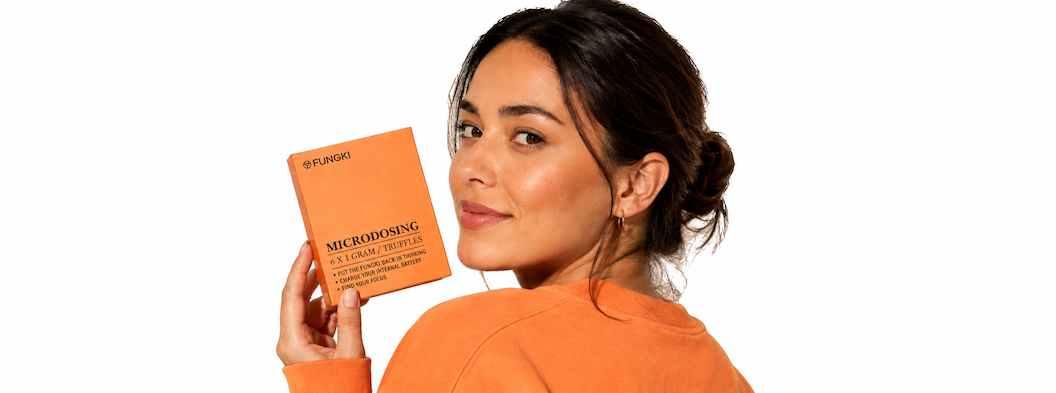
Winter blues? More and more people are choosing to microdose with truffles
Your alarm goes off while it’s still dark outside. Getting out of bed feels harder, you have less energy, and your focus is nowhere to be found. Sound familiar? You’re not alone. In short, the winter blues are a period of lower energy, less motivation, and a lower mood during the darker months, often caused by reduced daylight. What helps: getting outside in daylight every day, staying active, maintaining a regular daily routine, and connecting with others. More and more people are also giving microdosing with truffles a try to help maintain healthy habits, feel more energetic, and improve their mood.
In this blog, you’ll discover why more people are trying microdosing during winter, what research says about it, what you can do yourself to manage the winter blues, and when it’s better to consult your doctor.
What are the winter blues?
The winter blues refer to a period during autumn and winter when you feel more tired, less motivated, or lower in mood than usual. The main cause is reduced daylight. This affects the production of melatonin, a substance that helps regulate your sleep-wake cycle and mood. You might notice that you:
- Have less energy, even after a good night’s sleep
- Find it harder to get going in the morning
- Have less motivation or concentration
- Need more rest or time for yourself
- Feel a little lower in mood than usual
Why are more people trying microdosing in winter?
Do you find it harder to maintain healthy habits during winter? That’s exactly why many people decide to give microdosing a try. Users report feeling more energetic, finding it easier to get moving, or making more conscious choices. Research is still developing, but for many, these experiences are reason enough to explore it for themselves: gradually and with structure, through the Beginner Protocol.
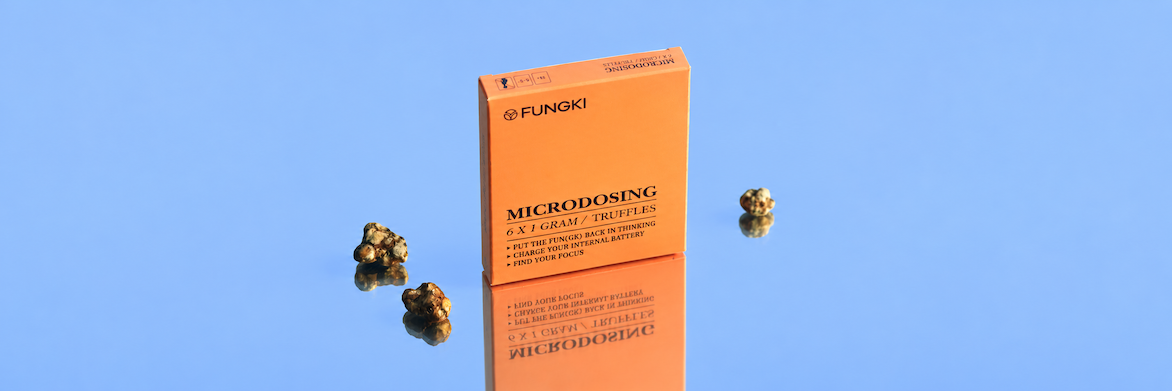
Microdosing involves taking a very small amount of truffles that naturally contain psilocybin. The dose is so small that you don’t trip: you simply continue working, exercising, and living your everyday life. Learn more in our guide: What is microdosing with truffles?
What does the research say?
Psilocybin acts on serotonin receptors in the brain, which play a role in mood and perception. That’s why the substance is being extensively studied.
Observational studies and user experiences are promising: many people report increased energy, mental clarity, or calmness. However, controlled studies with placebo groups have not yet consistently demonstrated these effects. So the picture is: promising, but not yet proven.
Want to dive deeper into the research? Read what research on psychedelic microdosing says, including findings on anxiety, quality of life, and functioning.
What helps with the winter blues? 5 tips
Whether you microdose or not, small, consistent habits make the biggest difference during winter. And these are exactly the habits that many people hope to maintain more easily through microdosing.
- Get outside in daylight every day. Ideally, head outside in the morning, even when the sun isn’t shining. Daylight supports your biological clock and sleep-wake cycle.
- Keep moving, even when you don’t feel like it. A walk, bike ride, or workout can already support your energy and mood. Exercising outdoors offers a double benefit.
- Stick to your routine. Waking up, eating, and going to bed at roughly the same times provides structure when the days get shorter.
- Stay connected. Staying home can be tempting, but connecting with others makes a big difference. Plan a walk with a friend or make time for a meaningful conversation.
- Make room for reflection. What gives you energy, and what drains it? Winter is a good time to reflect on your habits. Keeping a journal can help you recognise patterns.
Who should not microdose?
Microdosing is not a substitute for professional help. Do not microdose if any of the following situations apply to you:
- Mental health conditions
- Schizophrenia or another psychotic disorder (current or in your medical history)
- A predisposition to psychosis or psychiatric disorders in your immediate family
- Severe anxiety disorders or panic attacks
- Severe or untreated depression
- Unresolved trauma or PTSD
- Heart problems or cardiovascular conditions
- Pregnancy or breastfeeding
- Colour blindness
- Autism spectrum disorder (ASD)
- You are generally not feeling well at the moment
- Truffles are intended exclusively for people aged 18 and over. This applies without exception, even if you have parental consent.
Not sure? Consult your doctor first.
Want to give microdosing a try this winter? Start mindfully
For us, microdosing isn’t just about getting more out of yourself every day. It’s about awareness, curiosity, and discovering what works for you. That’s why Fungki offers two ways to get started:
- Get started yourself with the Beginner Protocol. A structured schedule with dosing and rest days, a low starting dose, and room to explore what microdosing does for you at your own pace. Discover the Beginner Protocol.
- Get personal advice first. Book an online consultation with Annick Pieters, psychologist and Mental Performance Coach. You’ll discuss your questions, your health, and potential risks, and together explore whether microdosing is right for you. Book a consultation with Annick.
Frequently asked questions about the winter blues and microdosing
How long do the winter blues last?
The winter blues often begin in autumn and improve as the days get longer in spring. If severe symptoms persist daily for more than two weeks, consult your doctor.
What’s the difference between the winter blues and seasonal depression?
With the winter blues, you can still function, although you have less energy. With seasonal depression, symptoms are so severe that work and everyday responsibilities become largely unmanageable, and the symptoms return every year.
Does a daylight lamp help with the winter blues?
Light therapy is the main treatment for seasonal depression. Discuss with your doctor whether it could be beneficial for you.
Does microdosing help with the winter blues?
This has not yet been conclusively demonstrated by scientific research. However, many users experience microdosing as a way to support healthy habits during winter. It is not a treatment for the winter blues or seasonal depression.
Can I microdose if I take antidepressants?
No, not on your own initiative. Always consult your doctor first.
Sources
- Winterdip of winterdepressie – Huisartspraktijk Steensel
- Winterdip of winterdepressie: hoe voorkom je het? – Radar (AVROTROS), met psycholoog Lidewy Hendriks
- Winterdepressie en lichttherapie I: syndroom en behandeling – Tijdschrift voor Psychiatrie
- 3 op de 100 Nederlanders heeft een winterdepressie (UMCG, via ID.nl)