What is microdosing with truffles?

What is Microdosing with Truffles? Everything you need to know
Microdosing with truffles. You may have heard about it before, but what exactly is it? And why are more and more people becoming curious about it?
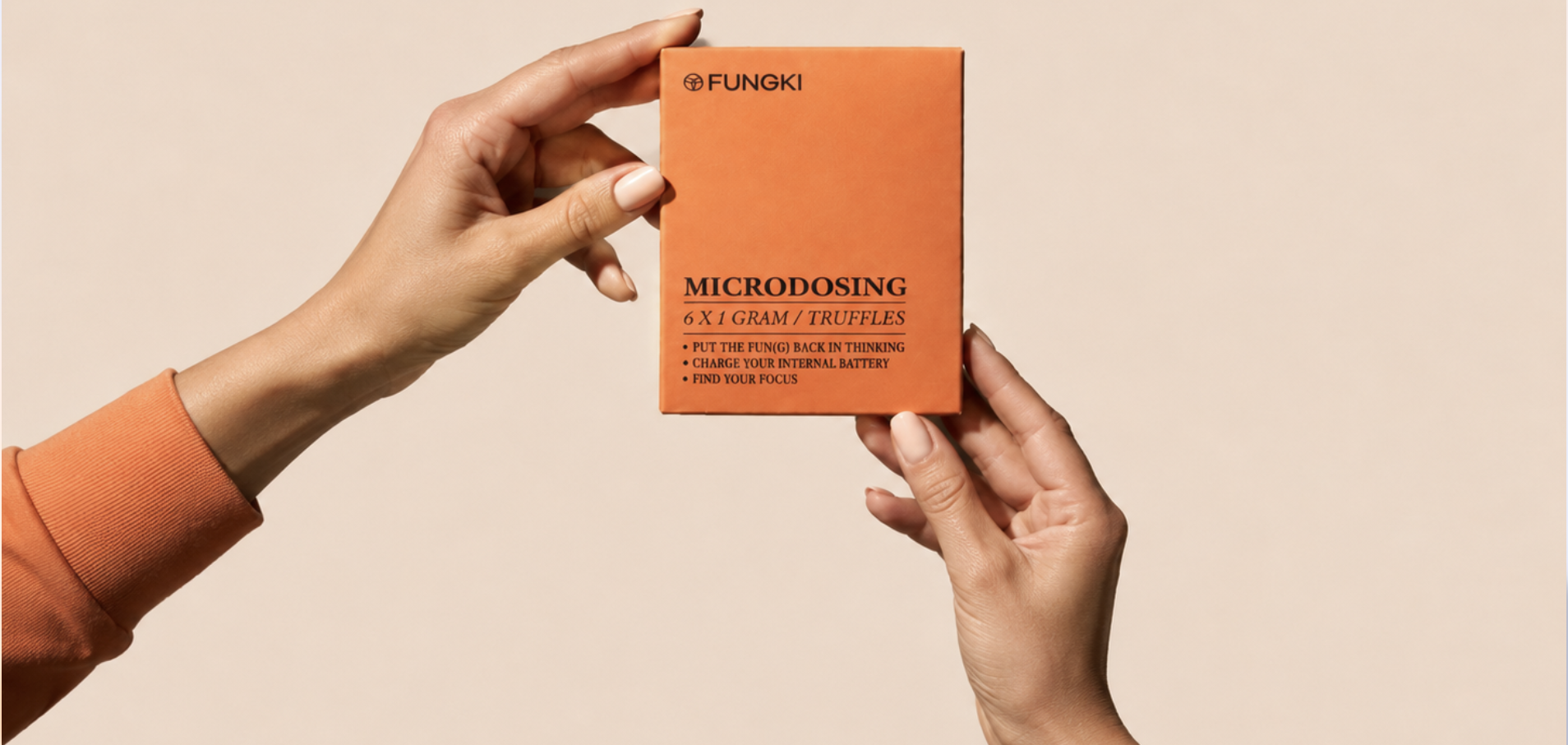
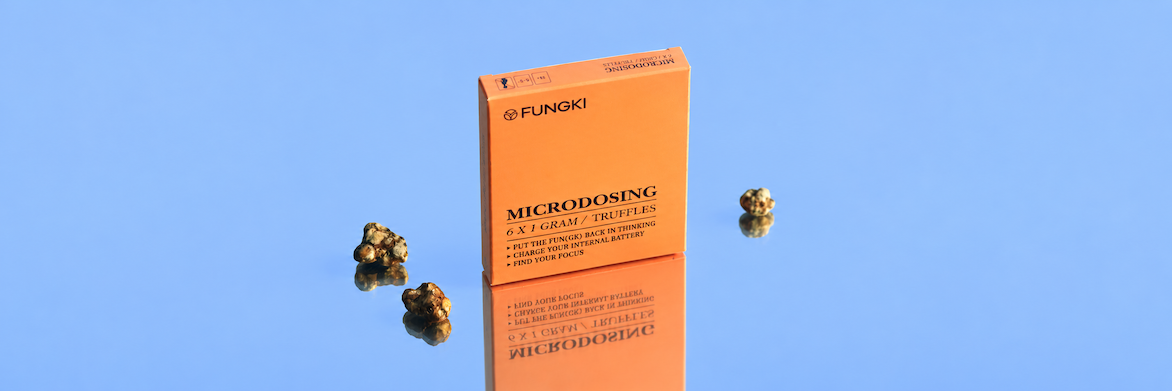
Microdosing involves taking a very small amount of truffles that naturally contain psilocybin. At Fungki, we use carefully dosed Psilocybe Mexicana truffles, specially developed for use as part of a microdosing protocol. Unlike a full psychedelic dose, the goal isn’t to trip, but to explore how your body and mind respond in a more subtle way. People turn to microdosing for different reasons. Some want to become more aware of their thoughts, habits and patterns. Others are curious about experiences related to creativity, focus or mental calm. But what exactly does psilocybin do? What does science say? And how does microdosing with truffles work in practice? Let’s explore.
What exactly are magic truffles?
Magic truffles, also known as sclerotia, are compact structures that certain fungi form underground. They are related to psychedelic mushrooms but are a different part of the fungus. And no, they have nothing to do with the culinary truffles you shave over your pasta. Truffles naturally contain psilocybin, a psychoactive compound that your body converts into psilocin. Psilocin interacts with serotonin 5-HT2A receptors in your brain. These receptors play a role in processes such as perception, mood and thinking. At higher doses, psilocybin can cause an intense psychedelic experience. With microdosing, a much smaller amount is used, with the intention of avoiding such an experience.
How does microdosing with truffles work?
The idea behind microdosing is simple: you take a fraction of a full psychedelic dose. The intention is to avoid a pronounced psychedelic experience. You shouldn’t suddenly see different colours or moving patterns, as you might during a trip.
However, a small dose doesn’t automatically mean you won’t notice anything. Sensitivity to psilocybin varies from person to person, and the potency of truffles can also differ. Microdosing often follows a structured schedule with dosing days and rest days. This structure can help you become more aware of what you’re experiencing without taking a dose every day. It’s not just about the truffles, but also about paying attention to your own experience.
Why do people choose microdosing?
Not everyone starts microdosing for the same reason. While some are curious about creativity or new perspectives, others want to gain more insight into their own thoughts and habits. Certain themes regularly appear in people’s personal experiences with microdosing:
- Self-awareness: Becoming more conscious of thoughts, reactions and recurring patterns.
- Creativity: Curiosity about different perspectives and new ideas.
- Focus: The desire to stay more present and attentive during daily activities.
- Mental calm: An interest in personal well-being and how you respond to everyday stimuli.
These are experiences and expectations reported by users, not guaranteed effects. Scientific research has not yet conclusively demonstrated these benefits at microdoses.
At Fungki, we believe it’s important to make space for personal stories without suggesting that everyone will have the same experience. Read personal experiences here. Want to learn more about the effects of microdosing? Read our detailed blog on the topic.
What does science say about microdosing?
What actually happens in your brain when you take psilocybin? It’s a question that fascinates scientists around the world.
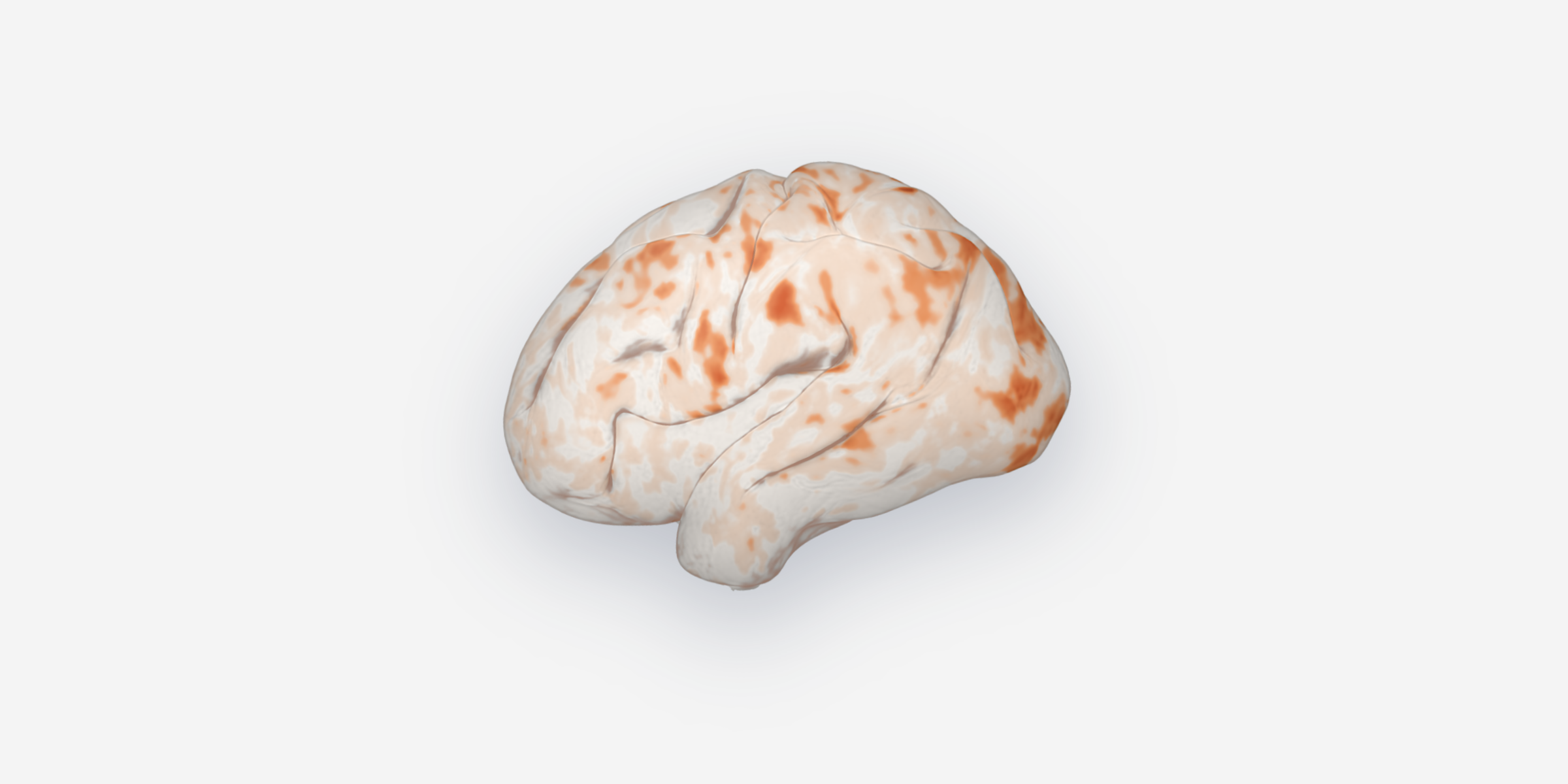
Research shows that psilocybin can temporarily influence how different regions of the brain communicate with one another. For example, researchers at Washington University in St. Louis investigated how psilocybin can temporarily alter existing patterns of brain activity.
The relationship between psilocybin, neuroplasticity and mental flexibility is also receiving increasing scientific attention. Neuroplasticity refers to the brain’s ability to adapt and form new connections. Most of these insights come from studies involving higher doses of psilocybin. Research into microdosing is still at an earlier stage, and findings regarding its potential benefits remain mixed.
At Fungki, we find these developments fascinating. That’s why we closely follow scientific research and make the most important insights accessible. Without complicated scientific language, but with attention to what we know and what we have yet to discover. Curious about the science behind psilocybin? Explore these articles:
- What Does Psilocybin Do to Your Brain?
- What Does Research Say About Microdosing Psychedelics?
- Microdosing and Creativity: What Does the Research Really Say?
Explore all our scientific articles.
Is microdosing with truffles legal in the Netherlands?
Yes. Psilocybin-containing truffles can legally be purchased in the Netherlands. This may sound surprising, as psychedelic mushrooms have been covered by the Dutch Opium Act since December 2008. The difference lies in the part of the fungus. Truffles are not mushrooms and therefore do not fall under that specific ban.
However, this doesn’t mean the same rules apply in other countries. Legislation varies from country to country, so always check local laws before taking truffles across borders or having them shipped.
Is microdosing with truffles safe?
A low dose doesn’t automatically mean microdosing is completely risk-free. Even small amounts of psilocybin can cause side effects such as mild nausea, headaches, restlessness, anxiety or sleep problems. Dosage can often play a role. That’s why we developed the Fungki Beginner Protocol.
With a low starting dose, a clear guide and a structured schedule of dosing and rest days, we help you become familiar with microdosing step by step. This allows you to consciously explore how your body and mind respond, without rushing the process unnecessarily.
Do not microdose if:
- You have a pre-existing mental health condition, such as schizophrenia or severe anxiety.
- You are on the autism spectrum.
- You are colour-blind.
- You have experienced trauma.
- You generally feel unwell.
Do not use this product or other mind-altering substances in the following situations:
- If you are pregnant.
- If you have or are predisposed to psychosis or other mental disorders.
- If you are experiencing depression.
- If you have used drugs, medication or alcohol.
- If you are under 18 years old. Truffles are intended for adults aged 18 and over only.
We wrote a separate blog about when microdosing may not be suitable.
Still have questions or unsure whether microdosing is right for you? Book an online consultation with Annick Pieters MSc. She offers independent advice, both before you begin and during your protocol. This helps you make a conscious and well-informed decision. Even if the answer is no.
How do you start microdosing?
Curious about microdosing but not sure where to begin? You’re not alone. How do you determine what a microdose is? What are rest days? And how do you actually know what you’re experiencing? That’s exactly why Fungki developed the Beginner Protocol. A structured introduction to microdosing, following a fixed schedule of dosing and rest days. The protocol includes a low starting dose and gives you space to pay attention to your personal experiences.
The idea is not to simply try something, but to consciously observe how your body and mind respond. It’s also important to consider the potential risks and your own health. You don’t have to figure everything out on your own. Fungki provides a clear structure and the information you need to make a well-informed decision.
Discover the Beginner Protocol
Looking for personal advice? Meet Annick Pieters MSc
Sometimes you’d rather talk things through with someone first. Perhaps you have questions, feel uncertain or simply want to learn more about what microdosing could mean for your personal situation. That’s why Fungki offers online consultations and check-ins with Annick Pieters MSc, holistic therapist and Mental Performance Coach. Annick studied psychology and has extensive experience advising and guiding people.
She provides independent advice and support. During a consultation, you can discuss your questions, reflect on your experiences and explore together whether microdosing is a suitable choice for you. Both before starting your protocol and while you’re following it.
Book a Consultation with Annick
Frequently asked questions about microdosing with truffles
Will microdosing make you trip?
That’s not the intention. A microdose is designed to remain below the amount that produces a full psychedelic experience. However, noticeable effects can still occur at low doses. Everyone responds differently.
What’s the difference between microdosing and macrodosing?
With microdosing, you take a much smaller amount of psilocybin than with macrodosing. A macrodose can cause noticeable changes in perception, thoughts and consciousness. With microdosing, the goal is to avoid these pronounced psychedelic effects.
How long does it aake to notice the effects of microdosing?
It varies from person to person. Some people notice subtle changes fairly quickly, while others need more time or experience little difference. Based on our own customer feedback, many users report having a clearer understanding of their personal microdosing experience within approximately three weeks of following the Beginner Protocol. That’s why we recommend giving yourself time and consciously reflecting on what you notice.
Can you continue working while microdosing?
Yes, that’s exactly the intention behind microdosing. You take a small amount of truffles, with the aim of avoiding a full psychedelic experience. This allows you to incorporate microdosing into your daily routine, whether you’re working, exercising or spending time with your family. However, everyone responds differently to psilocybin. That’s why it’s important to start with a low dose and first discover how you personally respond.
Why are rest days Iiportant in microdosing?
Many microdosing protocols follow a schedule that alternates dosing days with rest days. This structure provides periods without use and gives you space to observe and reflect on your experiences.
Is microdosing with truffles addictive?
Psilocybin is not known to cause physical dependence in the same way as substances such as alcohol or opioids. However, tolerance can develop quickly, meaning the effects may decrease with repeated use. This makes following a structured protocol particularly important.
Are magic truffles the same as magic mushrooms?
No. Both can contain psilocybin, but they are different parts of the fungus. In the Netherlands, psychedelic mushrooms fall under the Opium Act, while psilocybin-containing truffles can legally be purchased.
Not an escape. A mirror.
At Fungki, we believe in being curious about yourself. In paying attention to your thoughts, your habits and the patterns you might not always notice. Microdosing isn’t a miracle solution, and it certainly isn’t suitable for everyone. But for those who want to explore it, we believe that reliable information, a clear structure and the opportunity to ask personal questions are essential. That’s why, alongside our truffle protocols, we also offer the possibility of independent advice.
Curious to learn more? Discover Fungki.
Discover the Beginner Protocol | Book a Consultation with Annick