Microdosing: who is it for? Annick on safety, expectations and mindful use
Microdosing: who is it for? Annick on safety, expectations and mindful use
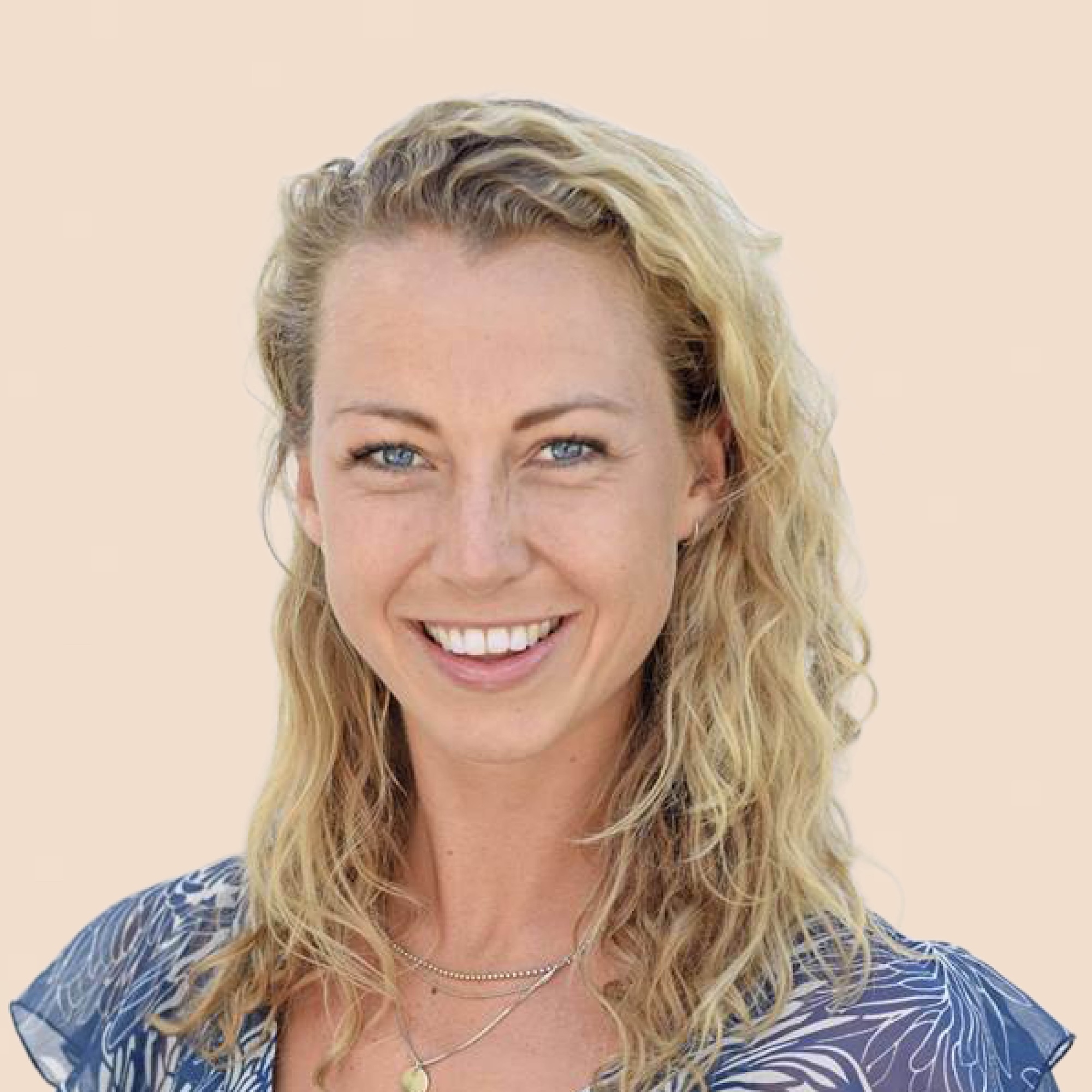
Microdosing isn’t for everyone. If you want to know whether it suits you, don’t start with the truffles. Start with yourself. I’m Annick Pieters, holistic therapist and Mental Performance Coach, and I hold independent microdosing consultations at Fungki. In this article, I share my own experiences, the misconceptions I come across most often, and the situations in which I advise people not to start.
“Microdosing is not a magic pill. The most important investment in your mental performance is still yourself.”
In short
- What is microdosing?
Taking a small amount of psilocybin truffles, without aiming for a psychedelic experience. - What will you notice?
Some people experience more focus, creativity or calm. There is not yet enough scientific evidence that this happens reliably. - Who is it not suitable for?
Microdosing may be unsuitable if you take medication, have current or past mental health issues, feel unstable, or have certain medical conditions. - Which protocol?
More experience doesn’t mean a more intensive protocol is better. Don’t increase the dose on your own if you notice little. - And if you notice nothing?
That’s an outcome too. It isn’t a competition.
My own experience with microdosing
My first encounter with microdosing truffles was on the other side of the world, in Byron Bay, Australia. I had never experimented with them before. I was mostly curious and open to new experiences. Years later, microdosing crossed my path again, this time as an entrepreneur. As an entrepreneur, you’re constantly developing, creating, making decisions and challenging yourself. During my own experiences with microdosing, I noticed more focus and creativity, but above all more grounding. I felt more grounded, closer to myself and less stuck in my head all the time. For me, mental performance isn’t about working harder or achieving more. It’s about understanding how you function, what you need and how to treat yourself more mindfully.
Why I offer independent consultations
If you look into microdosing, you’ll find stories about more creativity, focus, calm or self-awareness. But what can you really expect, and is it right for you? That’s what my independent consultations through Fungki are about. In those conversations, the focus is on the person in front of me. How is someone really doing? What does their daily life look like? And what’s their real motivation for starting? Sometimes a question about more focus hides something entirely different.
A consultation doesn’t have to end in a positive recommendation. If I think someone is better off not starting, I’ll tell them. My goal isn’t for someone to start microdosing. My goal is for them to make a conscious choice. Not sure whether microdosing is right for you? Discuss your questions, expectations and possible risks with me in an independent 25-minute video call. No obligation to buy anything. Book a consultation with me.
What can you expect from microdosing for focus and creativity?
Don’t expect a miracle cure. Some people experience more focus, more room for ideas, or feel less like they’re constantly “switched on”. But there is not yet enough scientific evidence that microdosing reliably leads to better mental performance.
I recognise that curiosity, also from my own experience as an entrepreneur. Still, I deliberately keep expectations realistic. The biggest misconception I come across is that microdosing is some kind of magic pill. That you take something and automatically become more productive, more creative, happier and more successful. If only it were that easy! If you’re structurally short on sleep, regularly push past your limits or pay little attention to your health, a substance won’t fix that.
I prefer to see microdosing as a possible extension of what you’re already doing yourself. Personal development still takes attention, self-reflection and a willingness to look at your own behaviour. I find that distinction between personal experience and scientific evidence essential.
Two questions I’m often asked
1. Will microdosing make you hallucinate?
That’s not the intention. With microdosing, you take a small amount on purpose, without aiming for a psychedelic experience. Still, it isn’t risk-free: the potency of truffles can vary, and even small amounts can cause noticeable or unwanted effects.
2. Can you become addicted to microdosing?
Psilocybin isn’t known for causing physical dependence, the way nicotine or opioids are. But a relatively low risk of addiction doesn’t mean use is automatically safe.
These are two questions I’m asked often, and I think it’s important to be open about them. You don’t have to scare people, but you don’t have to make it sound better than it is either. That’s why I advocate good information, conscious choices and self-reflection.
When are you better off not starting with microdosing?
Microdosing may be unsuitable if one or more of these situations applies to you:
- You take medication, such as antidepressants. Combining it with certain medicines, particularly SSRIs (antidepressants), MAO inhibitors or other psychoactive substances, can cause dangerous interactions.
- You have, or have had, mental health issues, especially serious ones. With a personal or family history of psychosis, schizophrenia, severe anxiety disorders or manic episodes, psychedelics can trigger or worsen symptoms.
- You currently feel unstable or vulnerable.
- You’re pregnant or breastfeeding. There is no reliable research on the effects of psychedelics on an unborn child or a baby.
I ask about this in every consultation. For example, I ask whether someone takes medication, whether they have or have had mental health issues, and whether they’ve had previous experiences with psychedelics. For questions about medical conditions or medication, I refer people to a doctor. I don’t give advice on changing medication myself.
Psilocybin is being researched for certain mental health conditions. But that happens under controlled conditions and with professional supervision. That’s something different from microdosing on your own. Microdosing is therefore not a substitute for psychological treatment or medical care.
Which microdosing protocol suits you?
That depends on your experience, motivation, health and expectations, not on how quickly you want results. Fungki works with three protocols: Beginner, Advanced and Expert. They differ in, among other things, the number of dosing days and rest days. In a consultation, I mainly look at how consciously someone handles those rest days. More experience doesn’t automatically mean a more intensive protocol is better. There is not yet enough scientific evidence to say which protocol is the most effective or the safest. So don’t see a protocol as a guarantee of results.
What if you notice nothing after a few weeks?
Then that’s an outcome too. One person notices subtle changes in concentration or mood, another notices nothing special. It isn’t a competition. You don’t necessarily have to notice anything. It may simply mean that microdosing doesn’t add anything for you. And that’s completely fine.
What I recommend: regularly take stock of your sleep, energy, mood and habits. Not just on dosing days, but especially on the days in between. That way, you’ll see more clearly over a longer period whether anything is changing, without forcing yourself to look for an effect every day. Do keep in mind that changes can also come from your expectations, a new routine or healthier habits. So an improvement you experience isn’t necessarily caused by microdosing. You can read how to track this honestly in How to find out honestly whether microdosing works for you.
Train your mind like an athlete
As a Mental Performance Coach, I like to compare mental development to sport. If you want to get physically stronger, you go to the gym. You train your muscles, work on your fitness and make sure you recover properly. So why wouldn’t we treat our mental performance just as consciously?
That means making room for self-reflection, learning to deal with stress and becoming more aware of automatic patterns. The greatest growth doesn’t come from simply taking something, but from what you then do with your insights and choices. Not everything has to be faster, better or more productive. Sometimes growth starts with giving yourself room to pause.
A conscious choice starts with the right questions
Curious about microdosing, but not sure where to start? Or do you have questions about safety, medication, expectations or the protocols? In an independent 25-minute consultation, we’ll discuss your personal situation. You’ll have the space to take a critical look at whether microdosing suits you, with no obligation to buy anything. Book your consultation.
Frequently asked questions about microdosing
Is microdosing safe?
Microdosing is not risk-free. The potency of truffles can vary, and even small amounts can cause unwanted effects. If you take medication, have mental health issues or have a medical condition, it may be unsuitable. In that case, consult a doctor.
Will I notice anything from a microdose?
It varies from person to person. Some people experience subtle changes in focus, creativity or calm, others notice nothing.
Can I microdose if I take antidepressants?
Always discuss this with your doctor first. I don’t give advice on medication myself and refer people elsewhere for questions like this.
Is microdosing a substitute for therapy?
No. Microdosing is not a substitute for psychological treatment or medical care.
Should I increase the dose if I notice nothing?
You can. Noticing nothing may also mean that microdosing doesn’t add anything for you. Unsure about frequency or amount? Check in with me so we can decide together what a sensible choice is.
What does a consultation with Annick cost?
A 25-minute online consultation costs €54.45 including VAT.