The science behind psilocybin microdosing: neuroplasticity and mental flexibility

What happens in the brain?
The effects of psilocybin differ fundamentally from traditional medication. While many antidepressants are aimed at stabilizing existing patterns, psilocybin appears to temporarily increase mental flexibility.
- Activation of 5-HT2A receptors
Psilocybin binds to serotonin receptors, particularly the 5-HT2A receptor in the prefrontal cortex. This area plays a key role in how we think, interpret, and respond. - Neuroplasticity
Research suggests that psilocybin supports processes related to neuroplasticity – the brain’s ability to form new connections. Rather than a “reset,” a more accurate metaphor is: temporary expansion within a system that is usually quite fixed. - Increased connectivity (entropy)
During the effects of psilocybin, communication between different brain regions increases. Networks that typically operate separately begin to interact more. This may help explain why some people report new perspectives or feel less constrained by habitual patterns of thinking.
How does psilocybin compare to other substances?
In comparative research (including substances such as LSD, MDMA, and ketamine), psilocybin stands out for several reasons:
- A relatively favorable safety profile in controlled settings
- A low potential for dependence
- Effects that, in some studies, appear to last longer than those of substances like ketamine
It is important to note that these findings come from clinical contexts – typically under professional guidance and with carefully controlled dosages.
What does this mean for microdosing?
Most of the current research focuses on higher doses used in therapeutic settings. Microdosing – taking sub-perceptual amounts – has been studied less extensively, but is often placed within the same biological framework: the idea that small stimuli, combined with structure and rhythm, may influence how the brain functions.
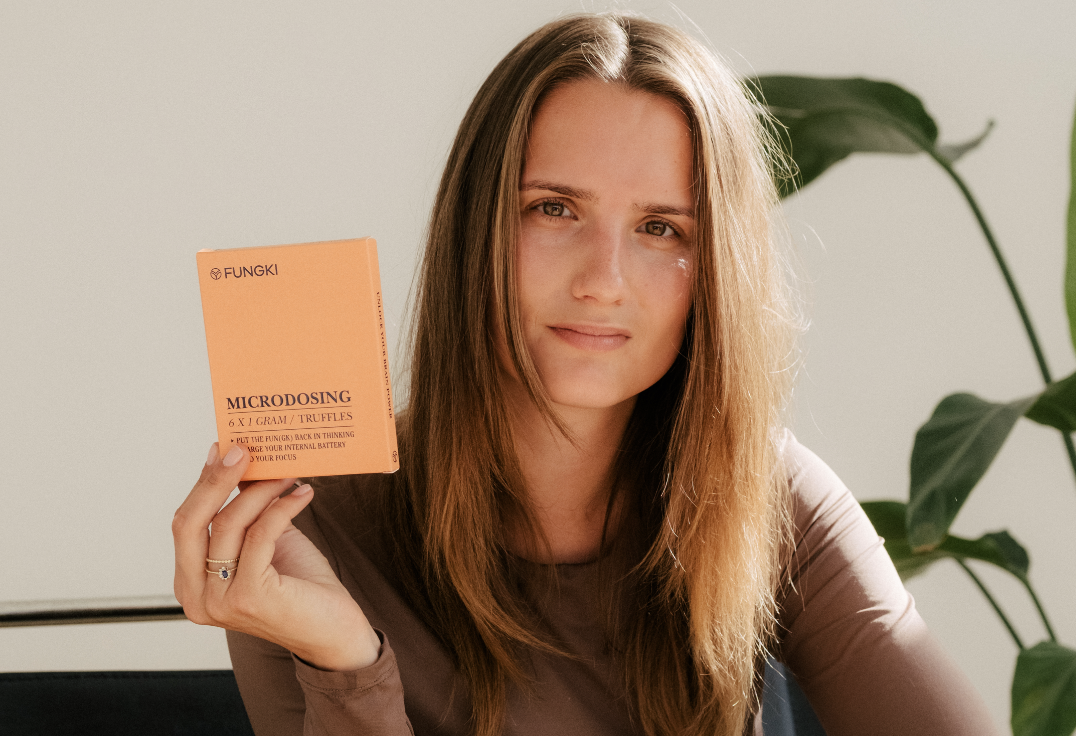
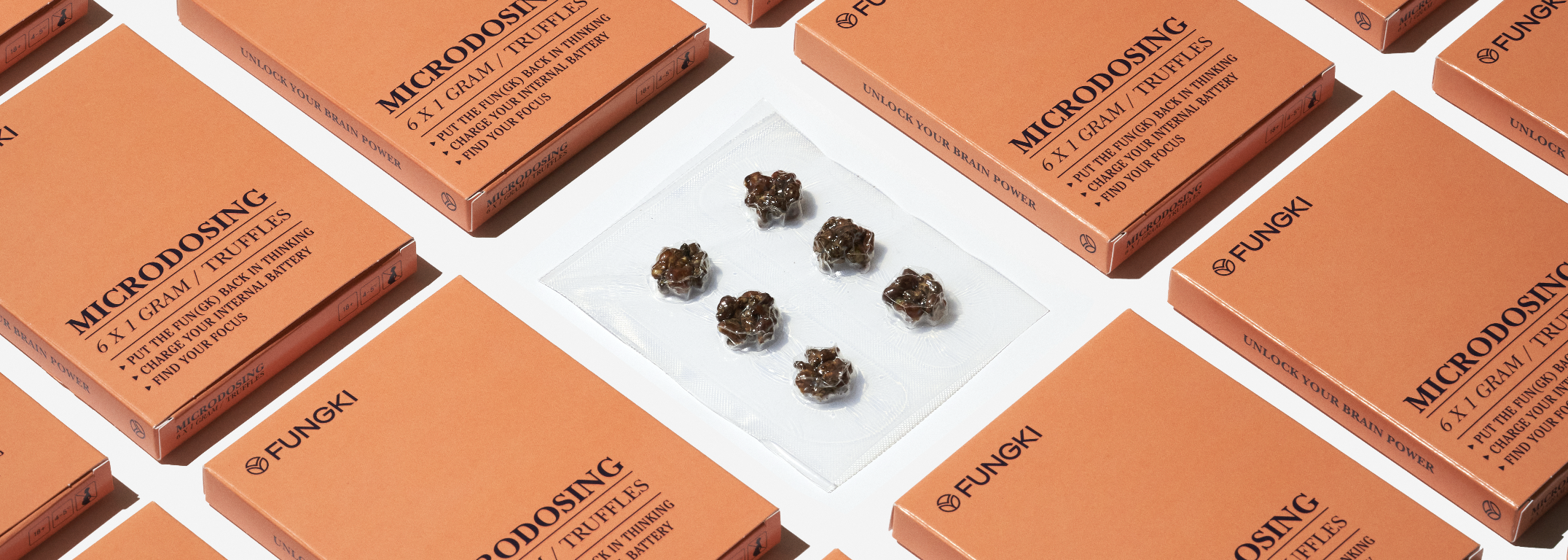
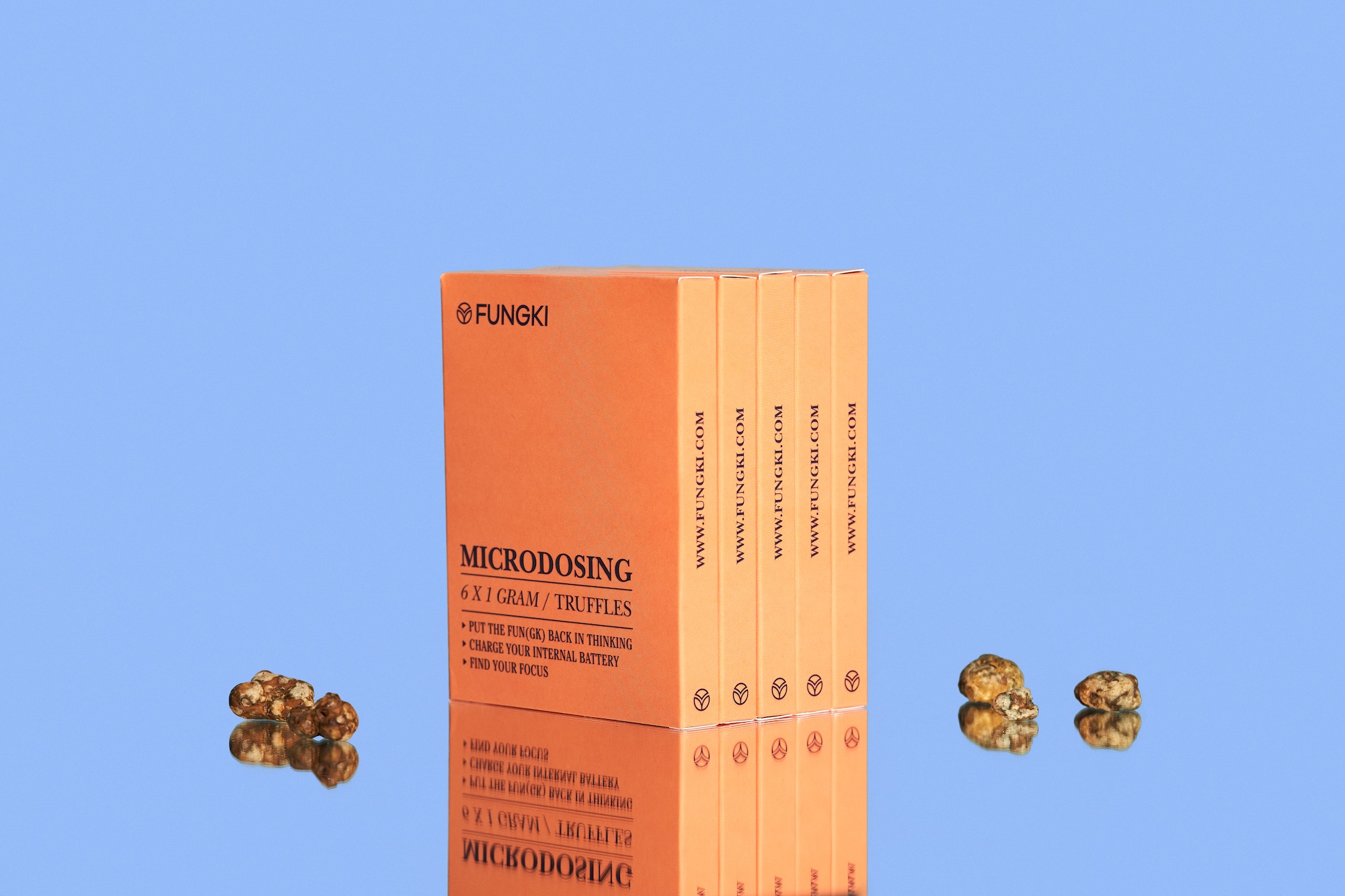
At Fungki, we therefore don’t view microdosing as a standalone solution, but as part of a system: the protocol provides structure. The truffles act as the catalyst.
Conclusion
The current “psychedelic renaissance” is not a baseless hype – but it is not a finished story either. What we do know: psilocybin appears to influence processes in the brain related to flexibility, connectivity, and adaptation. What we do not yet fully understand: how these effects translate into long-term, everyday use outside of clinical settings. That is precisely why nuance matters more than certainty.